
Gothic 1 Remake Review
I first played the original Gothic only a couple of months ago, so I'm not someone who truly grew up with the game. However, over the years, I had heard of it through friends as a challenging RPG that had a unique, somewhat punishing style that inspired and influenced several other games. I had also played (and reviewed) games like Elex, from the same original developers at Piranha Bytes, and Drova: Forsaken Kin, whose developers explicitly reference Gothic as a source of inspiration -- listing the game as a Special Thanks in their end credits.
When we first learned that Alkimia Interactive and THQ Nordic were working on Gothic 1 Remake way back in 2020, I was mildly excited at the time. However, a long development period, an unproven developer, and a so-so demo release had me wondering if the final product was going to be anything worth truly championing. I went into my review period of Gothic 1 Remake with my mindset almost as a sort of auditor -- does this remake live up to the pedigree of the original? Is it worth playing in 2026? What I ended up finding was a game that equally delighted me and frustrated me, but in ways that I ended up truly appreciating by the time I reached the end credits.
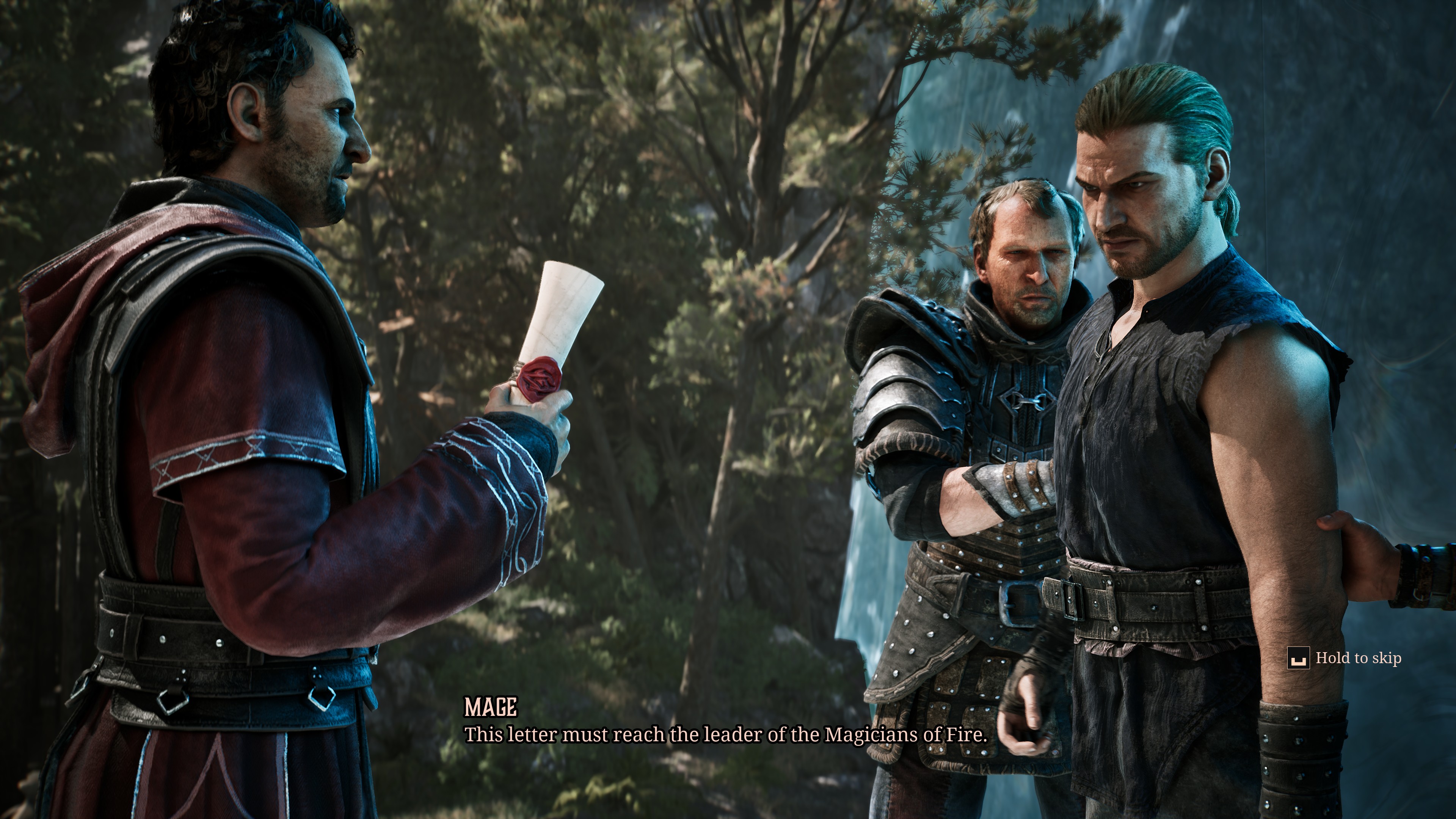
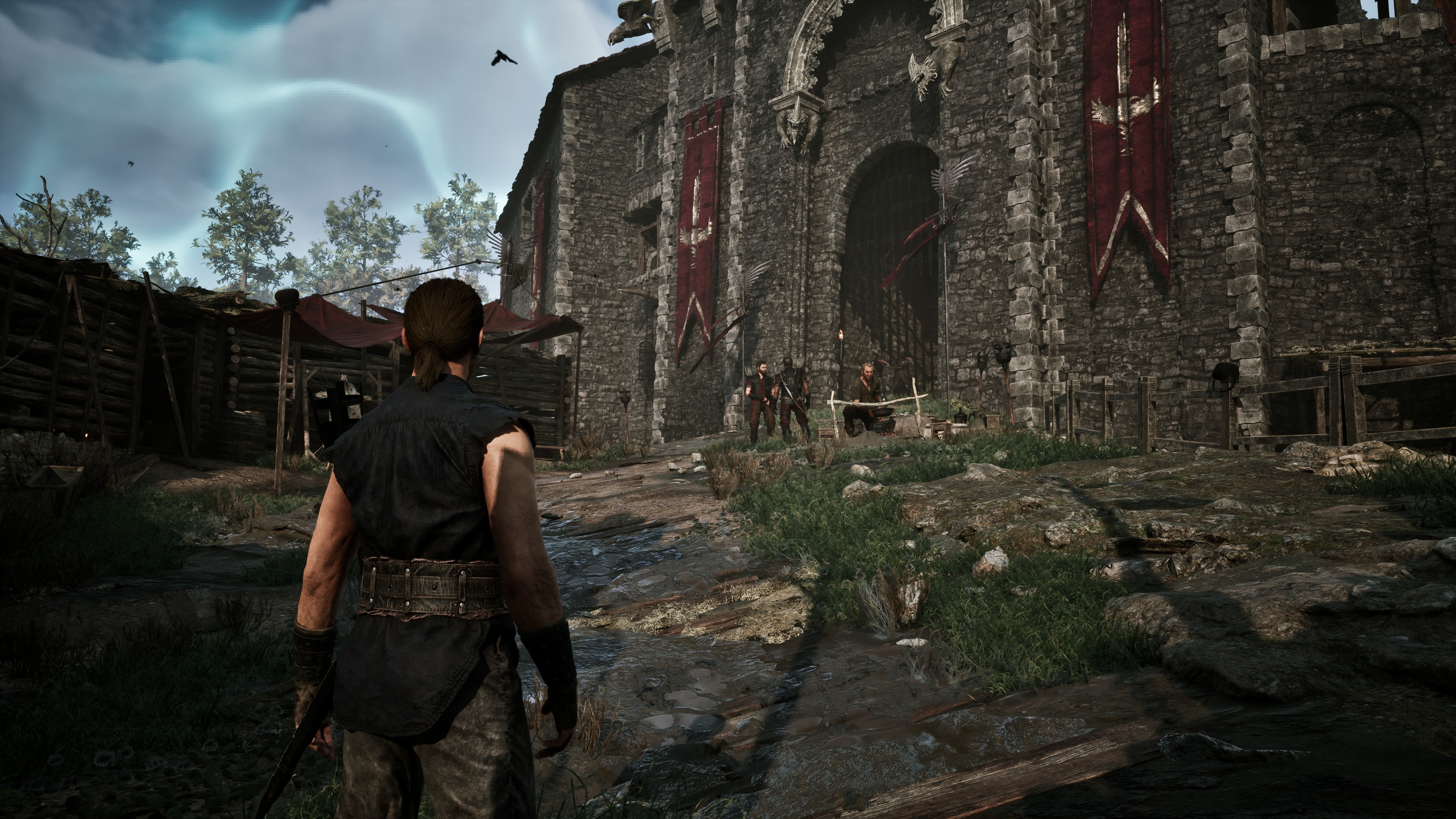
My first impression of Gothic's remake, from within the first hour of the game, was how faithful it felt right off the bat. With the original game fresh in my mind from only a couple of months prior, I recognized that locations like the entryway into the Old Camp, or the path to Cavalorn's cabin, or where I ended up finding specific NPCs like Mud and Fisk. They were all in line with where I remembered them. Several early quests that I recognized had quickly reintroduced themselves, like finding some meatbugs and mushrooms for Snaf's stew, or dealing with Whisper's sword. Guards in the camp would draw their weapons on me if I entered their rooms uninvited, just as they did originally. Within the first handful of hours, it truly felt like a game where the developers played and respected the original, and didn't want to deviate too far from the source material, almost as if the remake was built on top of it.
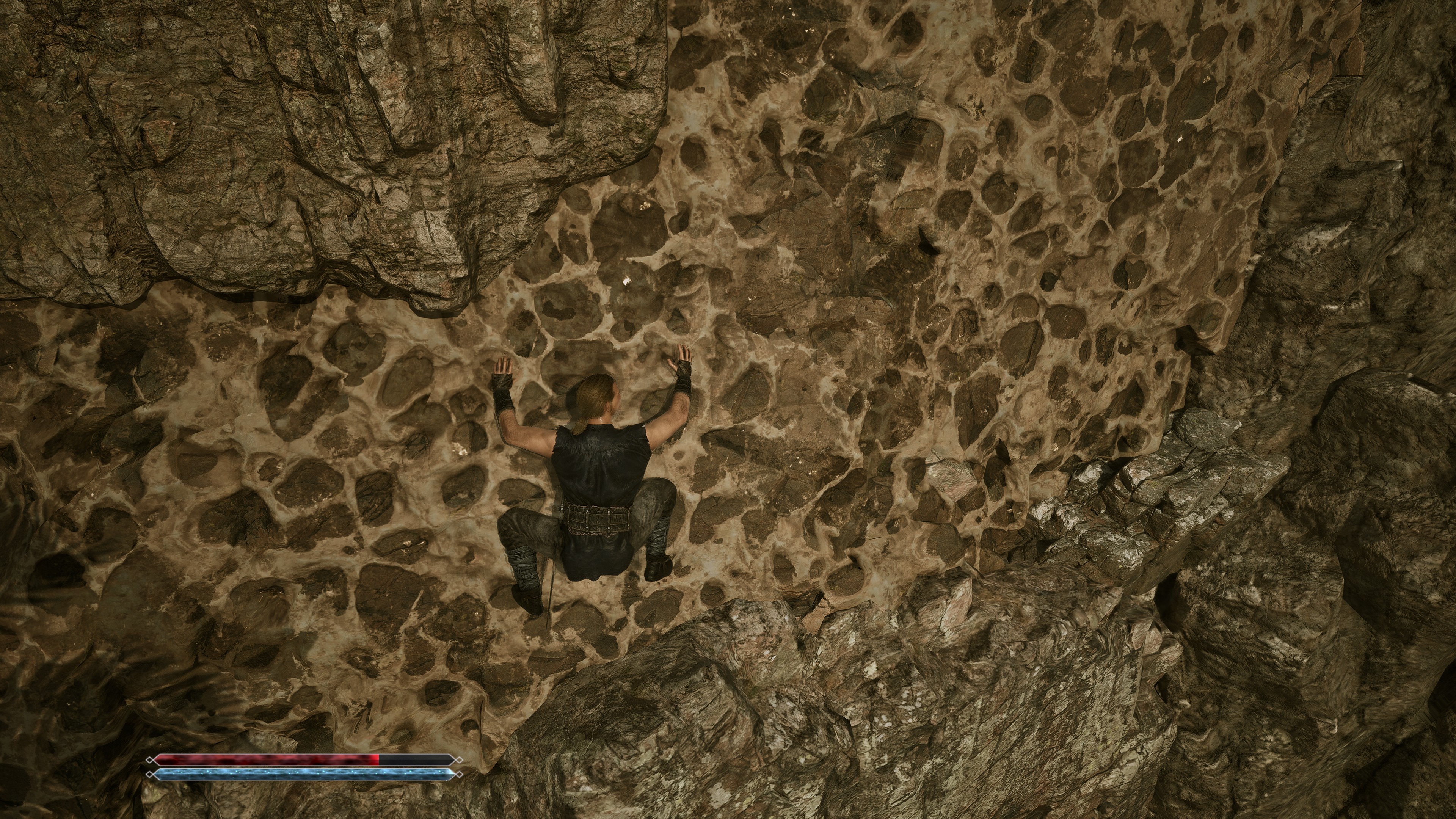
Of course, as I progressed through the game, I would start to notice things that were changed or altered, but these additions are largely subtle or feel like natural inclusions to the world. There are some obvious places where I realized that this was something not found in the original, like finding trainers for mounted Scavenger Riding or Climbing, but also certain quest lines that I couldn't quite remember if they were new or not, which is a testament to their overall fit. The result is a game that feels cohesive, modern where it needs to be, and largely avoids having areas, quests, or characters that feel like poorly conceived additions.
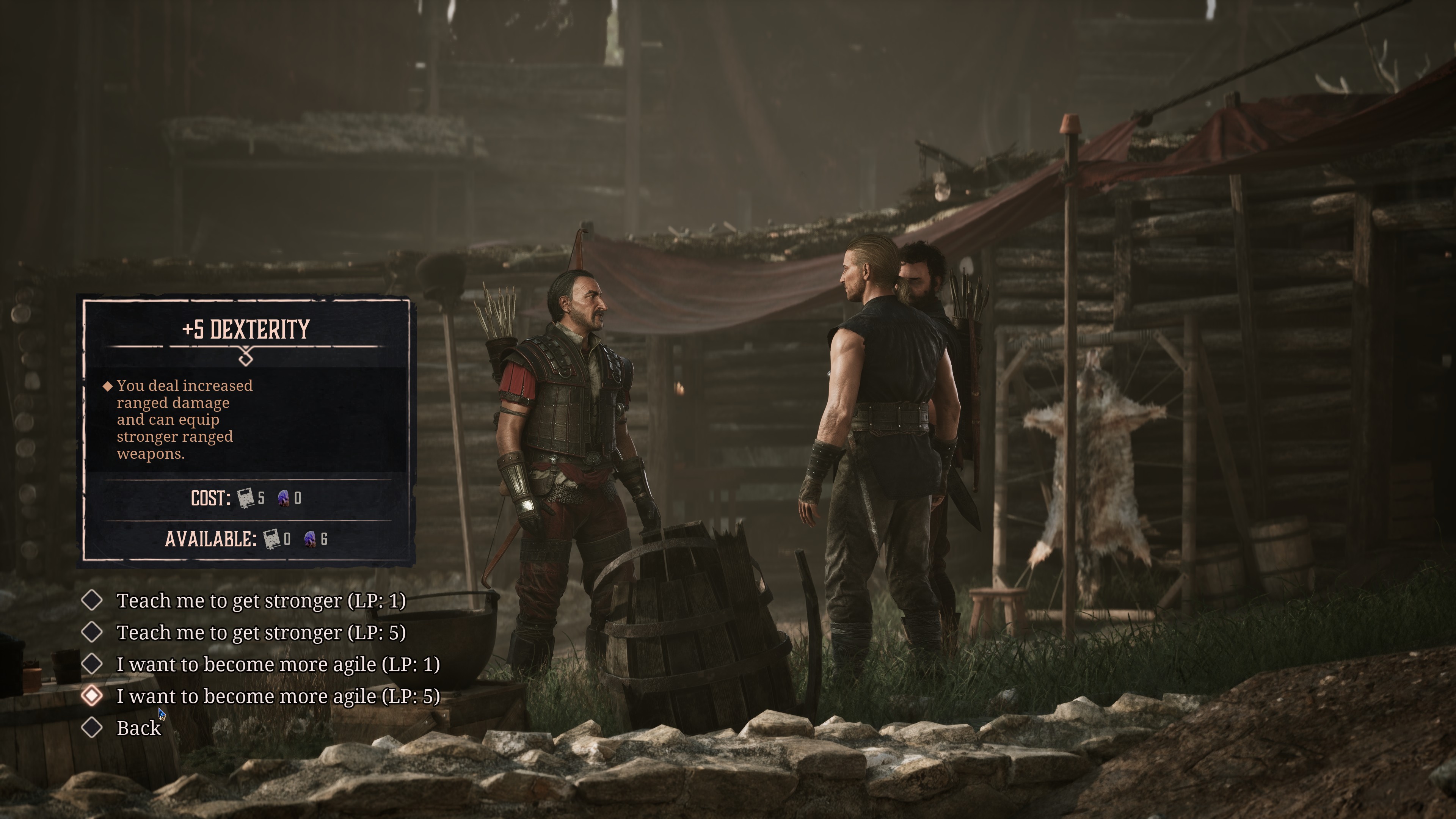
It's interesting, and somewhat difficult, to try to describe what sort of game this is, as so many other titles in the following years have referenced the original Gothic to describe those games."Gothic-like", of course, is sometimes used. I think the two main pillars for Gothic are the incorporation of the faction system and the unique format of player progression. Of course, other aspects such as narrative tone and player freedom are also key factors. On its face, Gothic has a pretty simple character sheet, so to speak. The nameless hero protagonist has a short list of basic attributes such as Strength, Dexterity, HP, and Mana, and then a list of familiar skills like 2-handed weapons, bows, lockpicking -- all very familiar RPG staples. What makes Gothic somewhat unique, in my experience, is how these attributes or skills are improved, the economy around the availability of experience points, the subsequent Learning Points earned from leveling up, and interacting with NPC skill trainers. I'll try to explain.
Experience points are at a premium throughout the game, making earning experience a valuable resource. Like many RPGs, experience points can be earned by defeating enemies or by completing quests, but the options to truly grind are rather limited -- some monsters will respawn occasionally throughout the game, but not in a reliable way where it can be counted on for easy level-ups. Compared to many RPGs, the experience earned in Gothic leans a little bit more towards what is earned from defeating enemies rather than completing quests, but doing both are required and encouraged to become strong enough to progress throughout the game. For example, if I noticed that a cave nearby had four wolves near it, or if I spotted a group of bloodflies across the river, I knew it was worth my time to try to defeat them because opportunities to earn experience remained valuable throughout the course of the game.
Upon each level up, the Hero earns a little bit of max HP and, most importantly, 10 Learning Points (or LP). Learning Points are effectively a sort of currency that can be used at skill trainers to do one of two things: they can be used to either improve stats straight up, such as simply trading 10 Learning Points for 10 points in Strength, or they can be used to improve a skill, like the Lockpicking or 2H weapons as I listed above. This is a pretty core concept of how progression works, because it means that leveling up in and of itself doesn't really make the player stronger (outside of a little bit of a health bump), but rather encourages players to find and identify characters that can train them in certain skills or abilities. If I wanted my character to become a stronger archer, I would need to explore and complete quests to find someone who can train me in bows. I would also need to manage my Ore stockpile, the Colony's currency, to be able to pay trainers or buy new items and gear.
Each skill typically only has a couple of tiers, such as most melee weapons going from Untrained, to Trained, to Mastered, and so on. What this results in is that deciding to spend LP on a specific skill often has an immediate, very impactful improvement. For instance, deciding to spend LP to train in one-handed or two-handed weapons by even just one level results in the Hero carrying his weapon completely differently and comboing his attacks much more effectively, even completely changing the attack animations. While initial skill improvements often cost only 5 or 10 LP, some later updates in certain skills can cost 40 LP or more, meaning that deciding to Master any one specific skill is a true commitment that reflects multiple level-ups worth of banked skill points.
Exploration is also often rewarding in this sense, because rare potions that permanently increase stats like Strength, Dexterity, or Mana can be found dotted throughout the world map behind out-of-the-way caves, or out in derelict ships far from the shore. Finding these potions means that LP that would otherwise be spent to improve these stats can be saved to spend on improving skills that can only be taught by trainers and thus spending fewer points on pure stat increases. Players who don't explore thoroughly will not find as many potions, nor fight as many enemies and earn as much experience, and might find themselves a little bit more pinched when it comes to improving their stats and abilities.
Gothic 1 Remake also avoids some of the more common streamlining systems of many contemporary games when it comes to exploration and questing. While there is a thorough quest log in the menu, there are no waypoints or markers on the map for where to find specific people for either starting new quests or progressing existing quests. Even having a map in the first place requires purchasing one from a vendor or finding one in the world, and there is no mini-map for any of the more complicated interior layouts like the Old Mine or any of the camp locations. I actually found that I really appreciated this, because it meant I was observing the world and truly committing to memory where I knew to find certain places or people, rather than just mindlessly following a waypoint (but could still reference the map). When I would walk by a character and they would follow up an earlier interaction with a new quest, I felt like I had stumbled across something neat, rather than just locating all of the quest icons in a menu or something like that.
Gothic 1 Remake does has a pretty neat Glossary of sorts where every met NPC or location is meticulously listed out, subdivided by camp, and even lists whether that character is on friendly terms with the player or not, if they can train certain abilities, or even if they had died. It's not something that has to be engaged with, but I found it to be a fun little addition that didn't compromise any of the sense of discovery with the game.
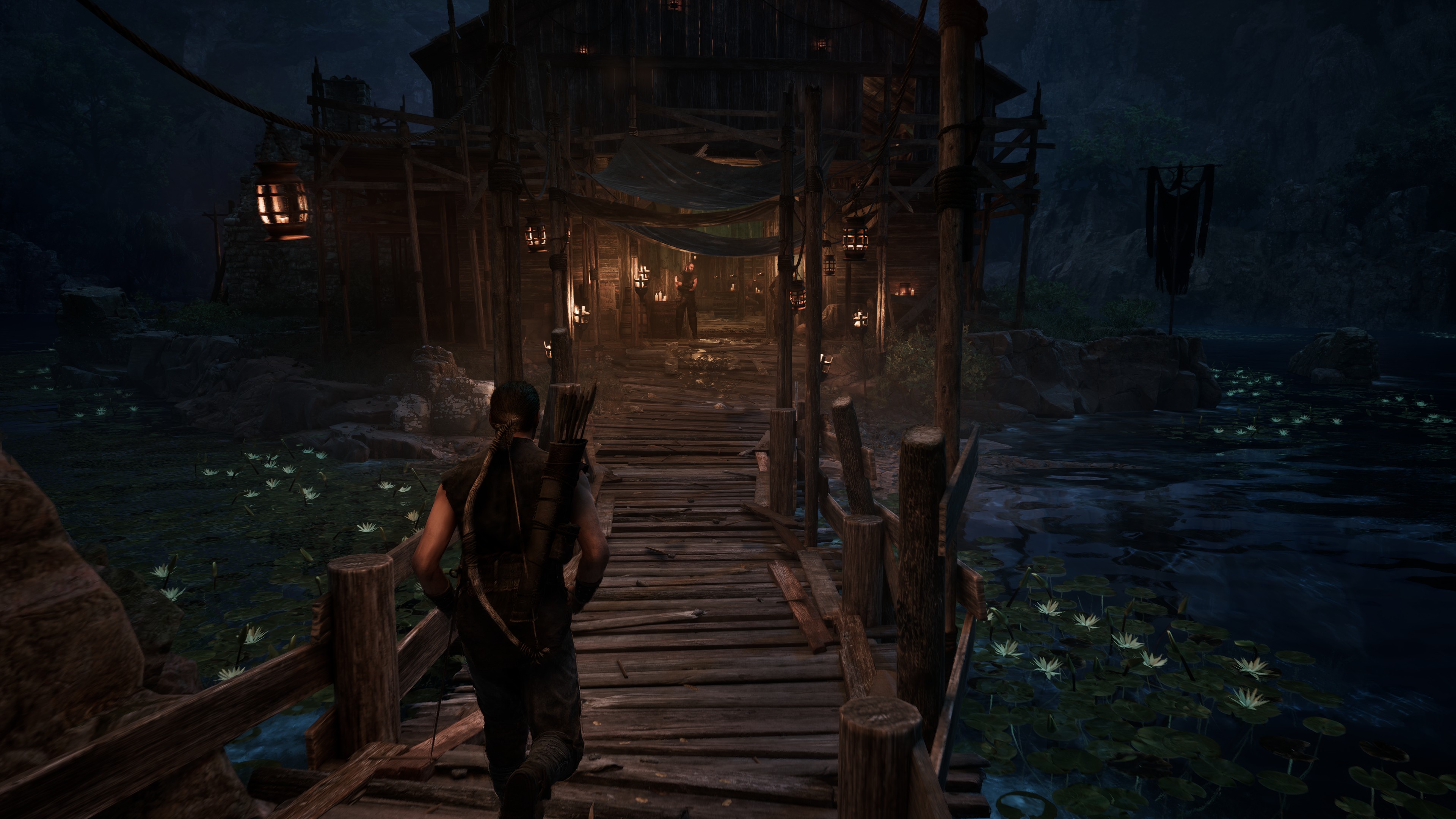
I actually enjoyed the combat in this game quite a lot, and I dabbled in melee weapons, bows, and even some magic. Melee combat is the most complex, consisting of four attack types that change depending on the weapon, but typically boil down into left swing, right swing, stab, and some sort of heavy attack like a sunder or an uppercut. While there are a few options in the game configuration to change how these specifically work, the general feel is that different directional swings can be comboed together if timed appropriately, with the number of available combos and the ease of triggering them increasing as the Hero's skill level increases. Blocks, parries, and dodge rolls also eventually come into play, with certain enemies being susceptible to being knocked back or down to prevent them from hitting the player.
However, even at higher levels, I found that the Hero's overall health points and the ways in which to recover health were all somewhat limited. This isn't an intended criticism, because it felt like a deliberate design decision to prioritize effective combat and preparedness before taking on unnecessary risks. I knew if I went into an area with only a handful of healing potions or spell scrolls that I would need to try to execute combat well enough to prevent receiving too much damage in the first place.
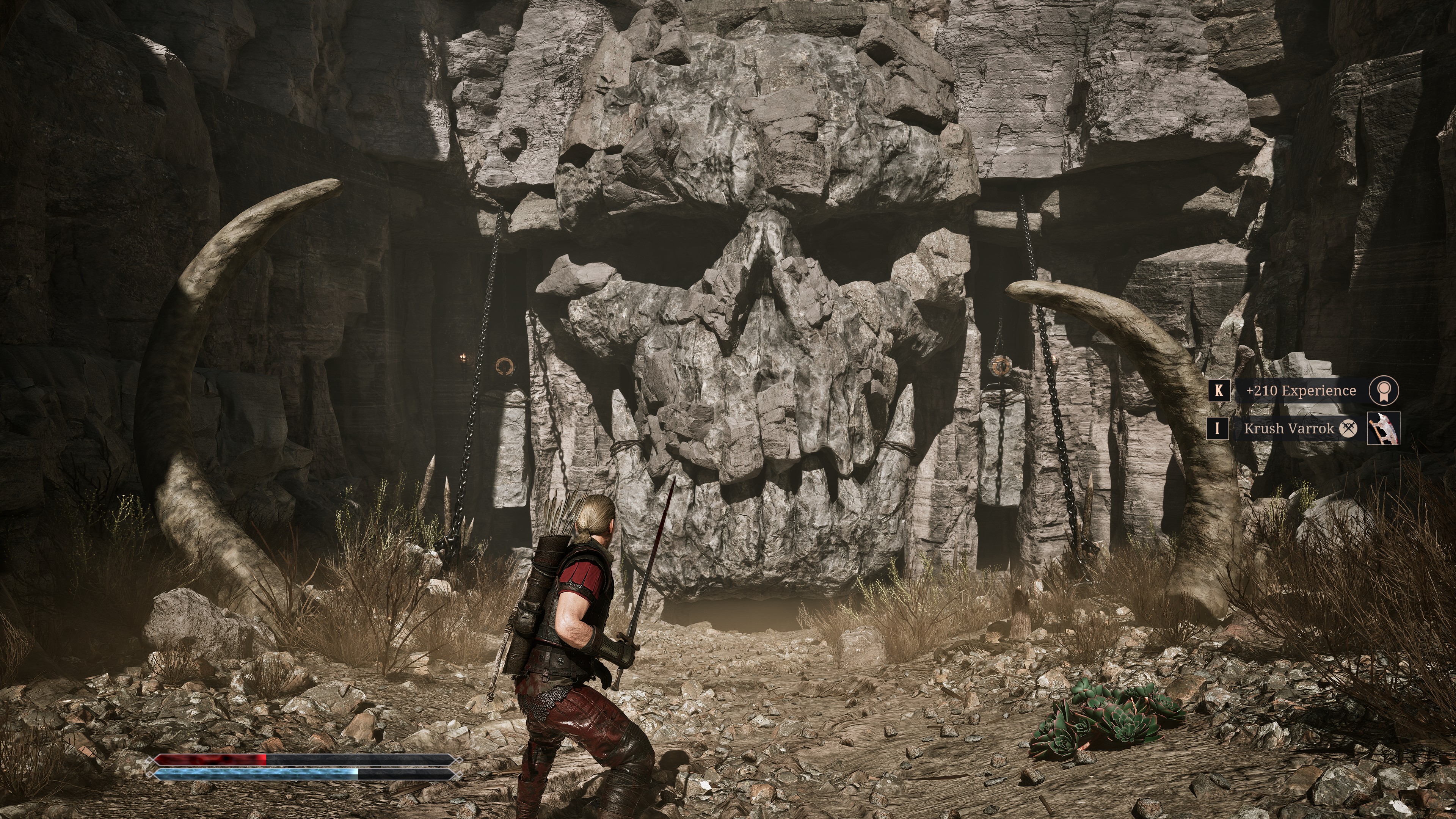
Even players who decide not to prioritize magic will have the option to cast spell scrolls as long as they have enough Mana. For instance, even though I did not spend any Learning Points to improve my mana pool, I had found enough potions or had enough gear options that I could use instead to have enough to cast even some high-level scrolls. While most spells are variations of typical RPG staples like a fireball or a cone of ice, other spells can be used to put NPCs or sleep or even transform into over a dozen different creatures. Some creature transformations can be used in combat, while others like small little meatbugs can be used to enter locations without being noticed. I once used a Harpy scroll to fly across a broken bridge and find a rare potion that increased both my strength and dexterity. Other spells can be used to summon skeletons or demons. There's quite a large variety of options, and I managed to dabble in a handful of them even though I wasn't truly a mage on paper.
As a final note on a non-combat skill, as a side note, one of the largest community points of contention that I observed since the release of Gothic 1 Remake is that of the updated Lockpick minigame. The original Gothic only had a simple left-right combination memorization mechanic, while the remake is overhauled into something a fair bit trickier. Earning points in lockpicking will make these minigame checks a bit easier, but the improvement is not as immediately obvious as something like being able to climb or pickpocket. I personally found the lockpicking mini-game pretty fun, but it is a bit harder to exploit than in the original.
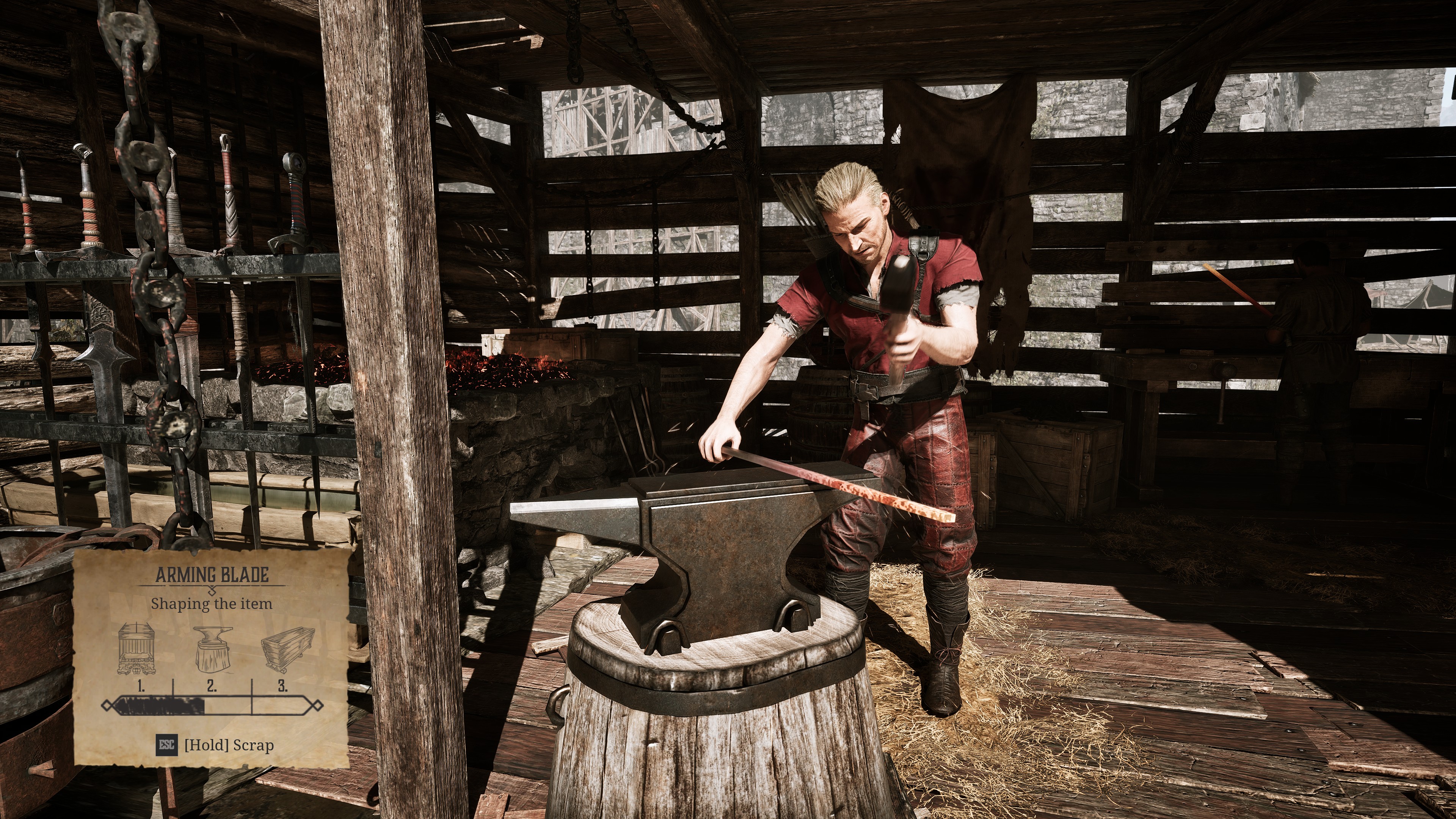
On a narrative front, Gothic is not a flashy game, so to speak. There is no character creator, and the Hero is largely a blank slate with only some occasional indications of defining character traits or even a personality. Dialogue options in NPC conversations lean more in the direction of being functions of the gameplay rather than truly roleplaying. While that might read as a criticism at first glance, I didn't really feel this as something missing or absent, nor did I find myself really wishing that I had more agency in this respect. I found that Gothic's narrative was carried more through the world-building and environmental design, and has just enough moment-to-moment story progression to motivate the Hero (and subsequently, the player).
The faction system is also mostly unchanged from the original game, for better and for worse. The Colony is primarily divided into three camps that the player can choose to align themselves with, very straightforwardly called the Old Camp, the New Camp, and the Swamp Camp (located in the swamp). None of these groups is painted in a particularly positive light, and each is highly stratified and somewhat self-interested. By the end of the game, the New Camp seems to be the most favorably presented, but really only in relative terms. However, just as in the original Gothic, I wish that the camp selection had a little bit more of a consequential feeling throughout the game. For instance, regardless of which camp is selected in Chapter 1, Chapter 2 will still follow linearly with the player working with the Swamp Camp on friendly terms. While this might feel disappointing to some extent, I did appreciate that it was in line with the original, and I think Alkimia showed restraint in not inventing new plotlines in the remake or something like that to account for this perceived shortcoming from the original, and simply kept it faithful to how it was.
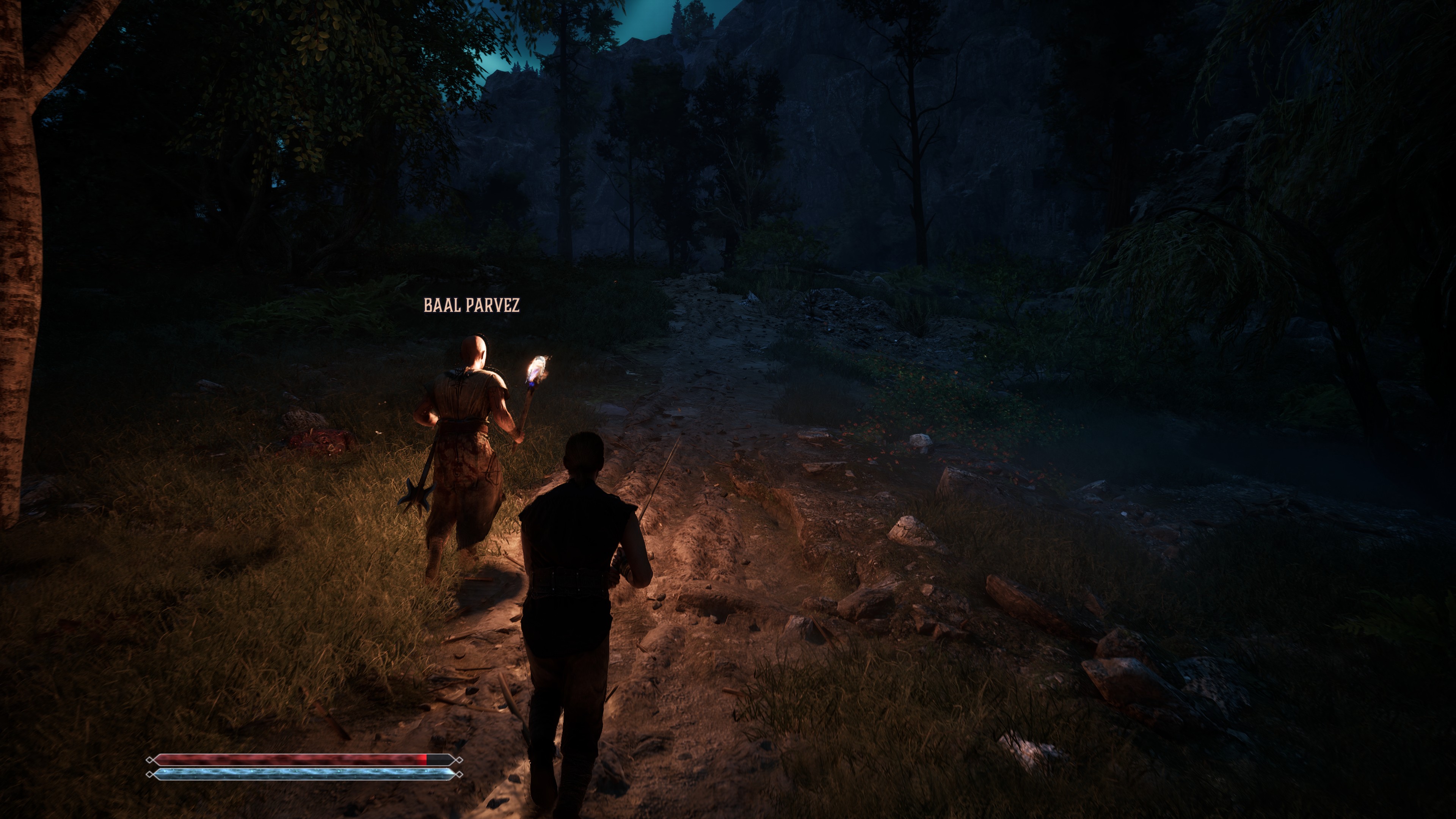
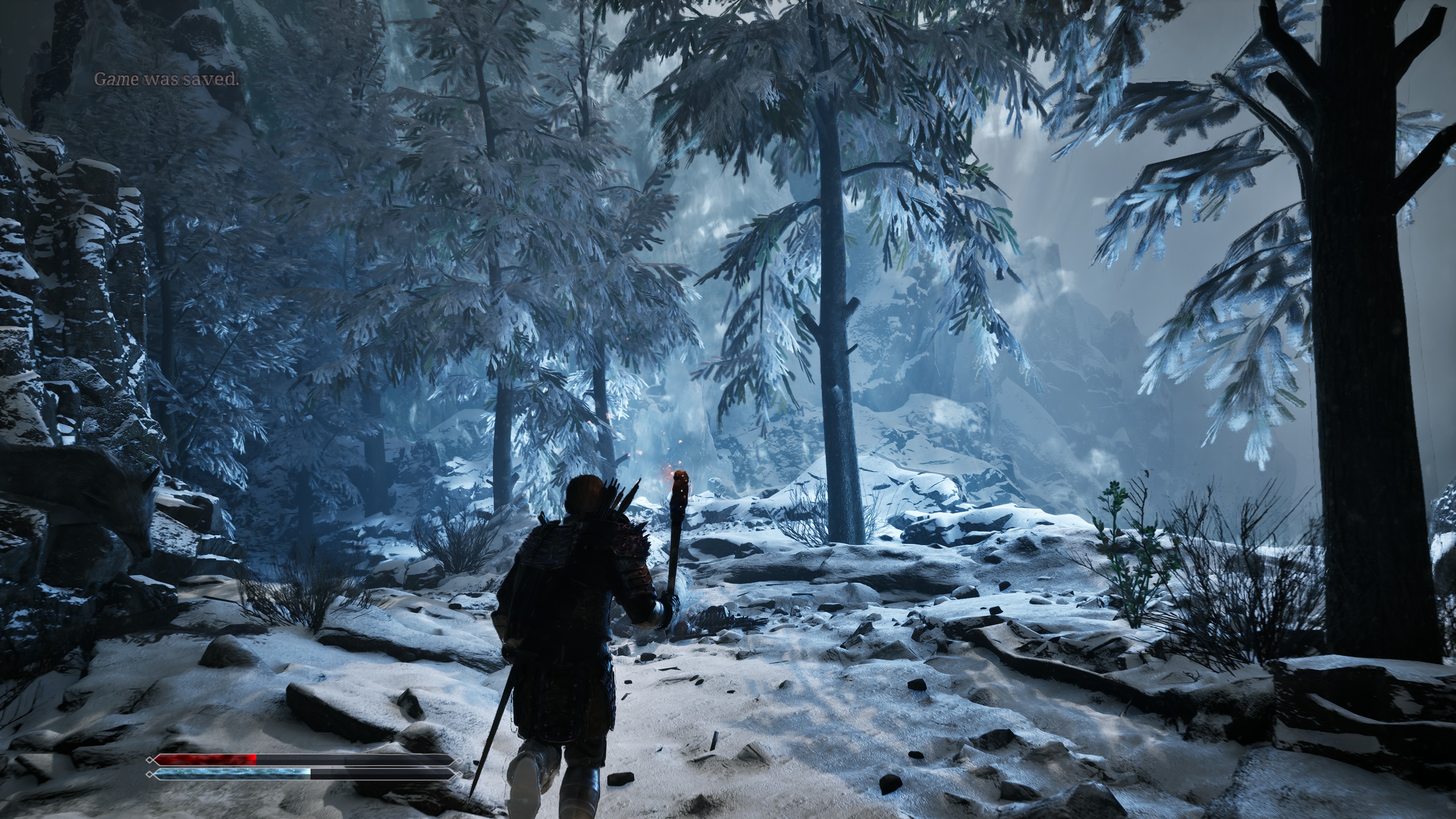
Visually, I liked how Gothic 1 Remake looked overall. Character animations and lip sync feel a little bit out of date, but environmental design and lighting were a highlight of my experience. One thing that was explicitly obvious was how many interior locations are extremely poorly lit without a source of light like a torch or a magic spell. Even traveling outside of the camps at night can be somewhat hard to navigate in. While it is possible to circumvent this by tweaking the gamma or upping my monitor brightness, it felt more appropriate just to make sure I always had a stock of Light spell scrolls or a reliable torch. I saw it as a minor source of friction that I could easily account for with just a little preparation, though I could see if others found it more tedious.
Gothic 1 Remake's biggest shortcomings are largely technical in nature or relate to overall polish. Even on a pretty strong PC, I found that my performance was pretty uneven throughout the experience, and I did encounter a couple of random crashes, 2 or 3 in my 45-hour playtime. Sometimes NPC animations would be somewhat buggy, such as a miner swinging an invisible pickaxe at a nearby ore pile despite the pickaxe being attached to his back. Sometimes, dialogue options available to me wouldn't make complete sense with where I was in the story at that point in time. For example, one skill trainer in the late game eventually would give me two nearly identical dialogue options to ask him to train me in Crossbows. Selecting one of the options would result in him stating that he couldn't train me, but the other option would. I'm sure that updates to smooth these out will come into the game over time, but some players might find these issues more frustrating than others.
Other potential shortcomings are tied to the game experience as a whole. For example, the lack of consistent early game fast travel means that several long durations of the game simply involve running from place to place to complete objectives and quests. I personally found that the world was dense enough and fun enough to explore that for the most part I didn't mind traveling around the world on foot (or riding a Scavenger), but I admit it did still start to get a little bit tedious when I had to run out of the New Camp past the rice fields for a 10th or15th time to a quest location in the Old Camp or Orc Lands or to some other location. I felt like this could have maybe been tweaked slightly, but I'm also glad, on the other hand, that the experience was not overly streamlined for the sake of convenience.
Gothic 1 Remake is definitely a game I recommend to RPG fans, and it's a strong enough vision of a Remake that I honestly feel that anyone interested in Gothic in general could start here and get the same type of experience instead of playing the original if they wanted to (though I am glad I played both and encourage that as well). However, it is a game that does require some patience and tolerance for friction and just a little bit of tedium, which might not be to everyone's taste. Gothic 1 Remake was clearly developed by a team that respects the original game and knew how to reimagine it for a modern audience without compromising what originally made it so special and influential so many years later, creating a very remarkable game in its own right.