
At Fate's End tasks you with dueling with your words as much as your blade
If you’ve been with us on this ride we call games media for a while, this probably won’t come at any great surprise – but the challenges of being an outlet focused on a specific genre means that we have to be a little more discerning when it comes to what games we ultimately decide to cover. We stretch that definition, of course, but it’s by no means uncommon for a game to originally get revealed, only for the decision that we want to cover it to come later down the line as more details about what a title actually is begins to materialize.
During GDC this year, we had the chance to go hands-on with Thunder Lotus Games’ upcoming At Fate’s End, from the studio behind titles such as Spiritfarer, 33 Immortals, and Severed. When it was revealed at last year’s Summer Xbox Showcase, it wasn’t immediately obvious whether the game classified as an RPG. It was only when I sat down to check out the game for myself and inquired about what sort of game it was that the team described it as something of an RPG.
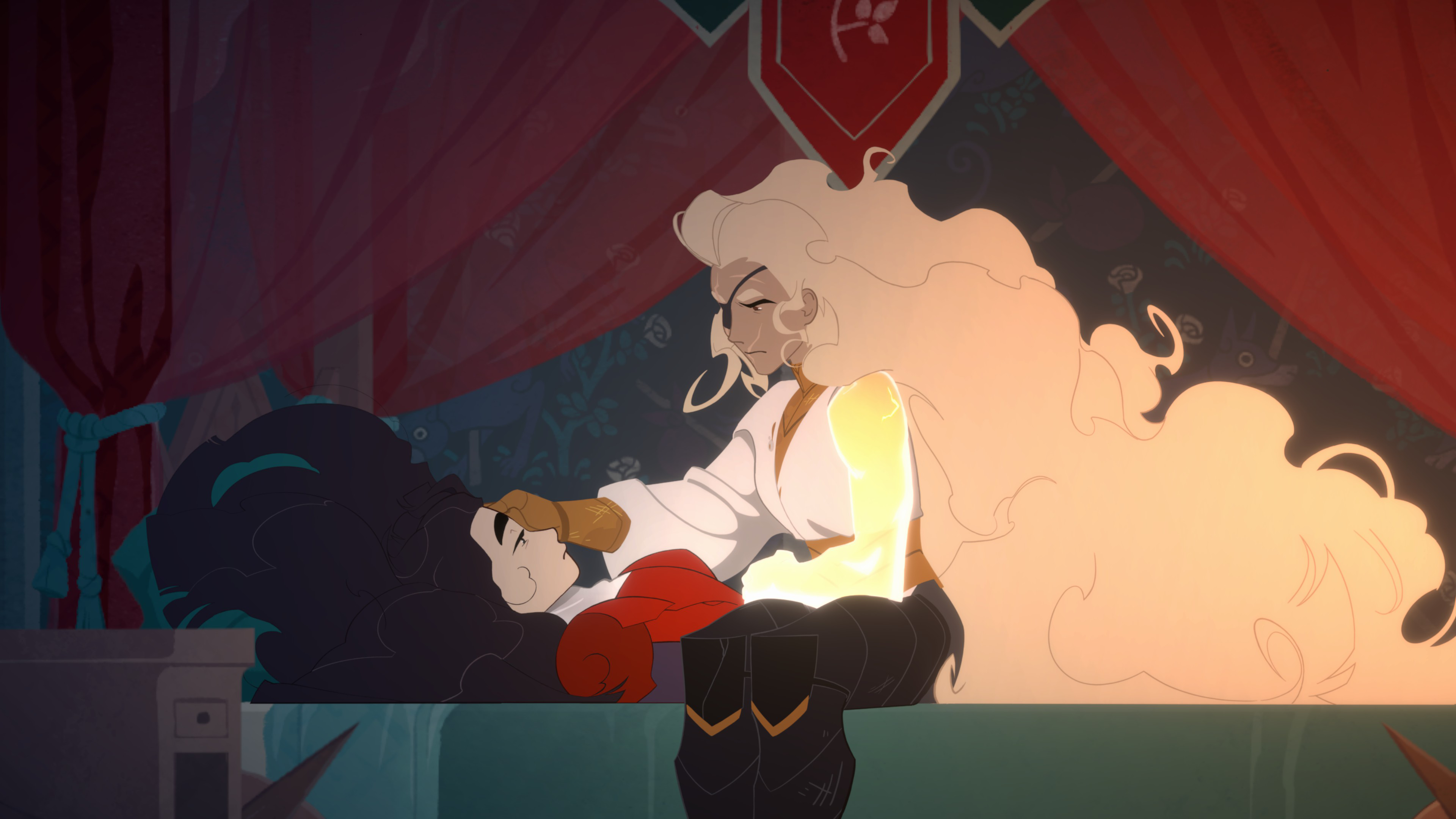
Even a few minutes into my session, it makes sense. At Fate’s End feels like it’s borrowing some DNA from several games; Director Nicolas Guérin explained that a primary inspiration was Supergiant Games’ Transistor, a comparison that clicks instantly when contemplating certain elements of the game’s battle system.
At Fate’s End is a game of two disparate halves. Playing as Shan Hemlock, you have the boss fights against her siblings; realtime action combat where players can angle their attacks in any direction to target weakpoints. During one attack pattern as part of our attempt against Shan’s sister Camilla, we had to carefully strike points where trails of lightning intersected to dispel them. At other times we had to time our blocks or dodges in order to position ourselves at her weakpoint, timed to when her shield was either missing or had shifted so there was an opening to attack.
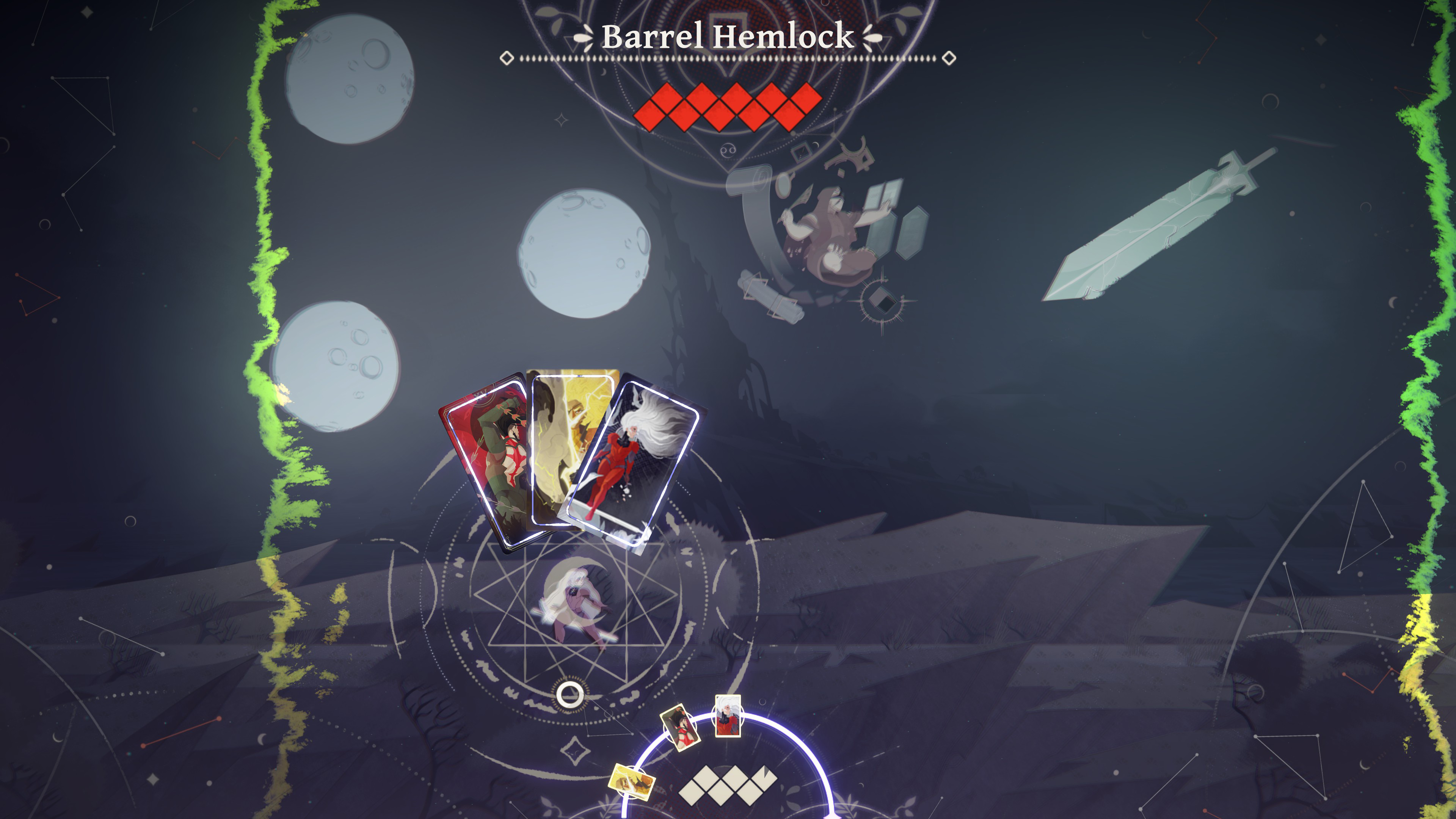
Landing attacks generates energy, which can then be expended like Final Fantasy VII Remake (or, Transistor) to pause the game and deliberately plan out a skill. For example, when we had enough energy for a fireball we could pause while Camilla was in the middle of a dash, to strike her with a fireball, dealing damage while also stunning her out of an attack. We could also use that same energy to dash out of the way of danger to any part of the arena in a flash, too.
It’s all very invigorating. Simple combat, but it feels great, and at least so far the boss design would be good even if that was all there was to talk about. The most interesting part of At Fate’s End, and what solidifies it as an RPG, lies in what takes place outside of combat, and how it manifests as cinematic flashes in-between phases of these boss fights.
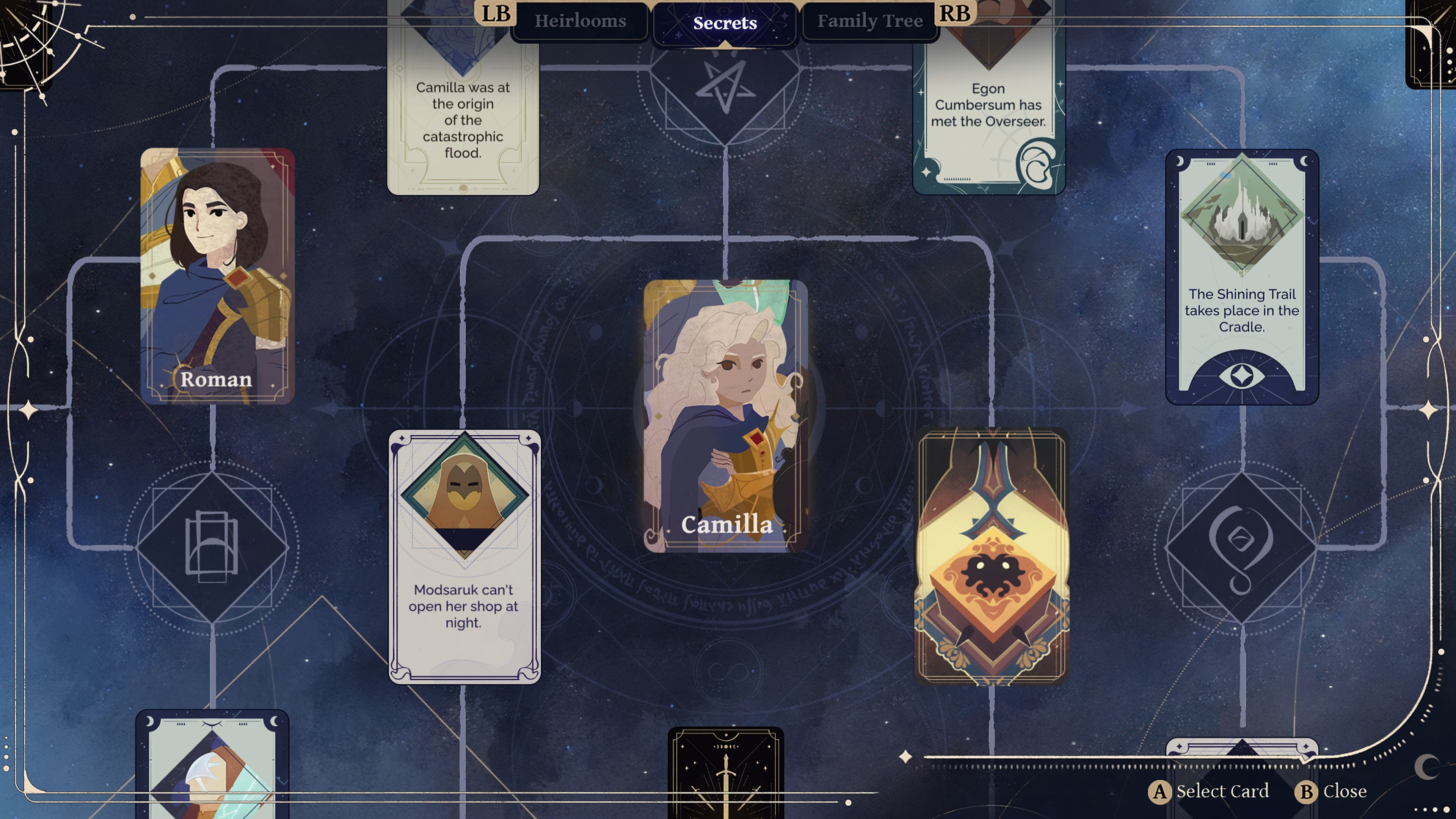
The goal isn’t just to defeat your family with your blade, but also your words. In Camilla’s case, she’s troubled by the ghosts of her past – how she had intended to act as a Knight, and the realities of how it got away from her. Exploring Castle Hemlock, we could investigate the environment for clues to how things have changed since Shan had been away from home, discover Runes and gear which empower Shan and help unlock new skills on her Family Tree, and uncover secrets with enough intuition.
Once you’ve discovered enough clues, players are tasked with answering key questions which will in turn unlock options for dialogue during boss fights to help skip phases. Answer wrong during the heat of the moment, and things will only become more difficult – but answering correctly won’t just help make a fight easier, but may be the key to mending a relationship that was well on its way to being completely severed.
It was only a very short hands-on, but I’m completely sold on the concept. I can’t wait to play more when the game launches on Xbox, PlayStation 5 and PC (Steam), later this year.